
Signs of a bad AC capacitor in South Dakota
A bad AC capacitor usually shows up as an air conditioner that hums but won't start, or one that starts and then shuts off on its own. Some units click repeatedly and never catch. Others run but blow warm air because the fan inside the outdoor unit isn't spinning like it should. The capacitor stores the charge that kicks the compressor and fan motor into motion, and once it weakens, those parts don't get enough power to start, even though the system is still trying. Heat is part of why this happens. Capacitors wear down faster the harder an AC runs, and a South Dakota summer, even without the heavy humidity, still asks a lot of the unit on the hot stretches. If your air conditioner is doing any of this, the fix is usually quick once someone identifies it, but running it while it struggles to start can put strain on the compressor itself, which costs far more to replace than a capacitor.
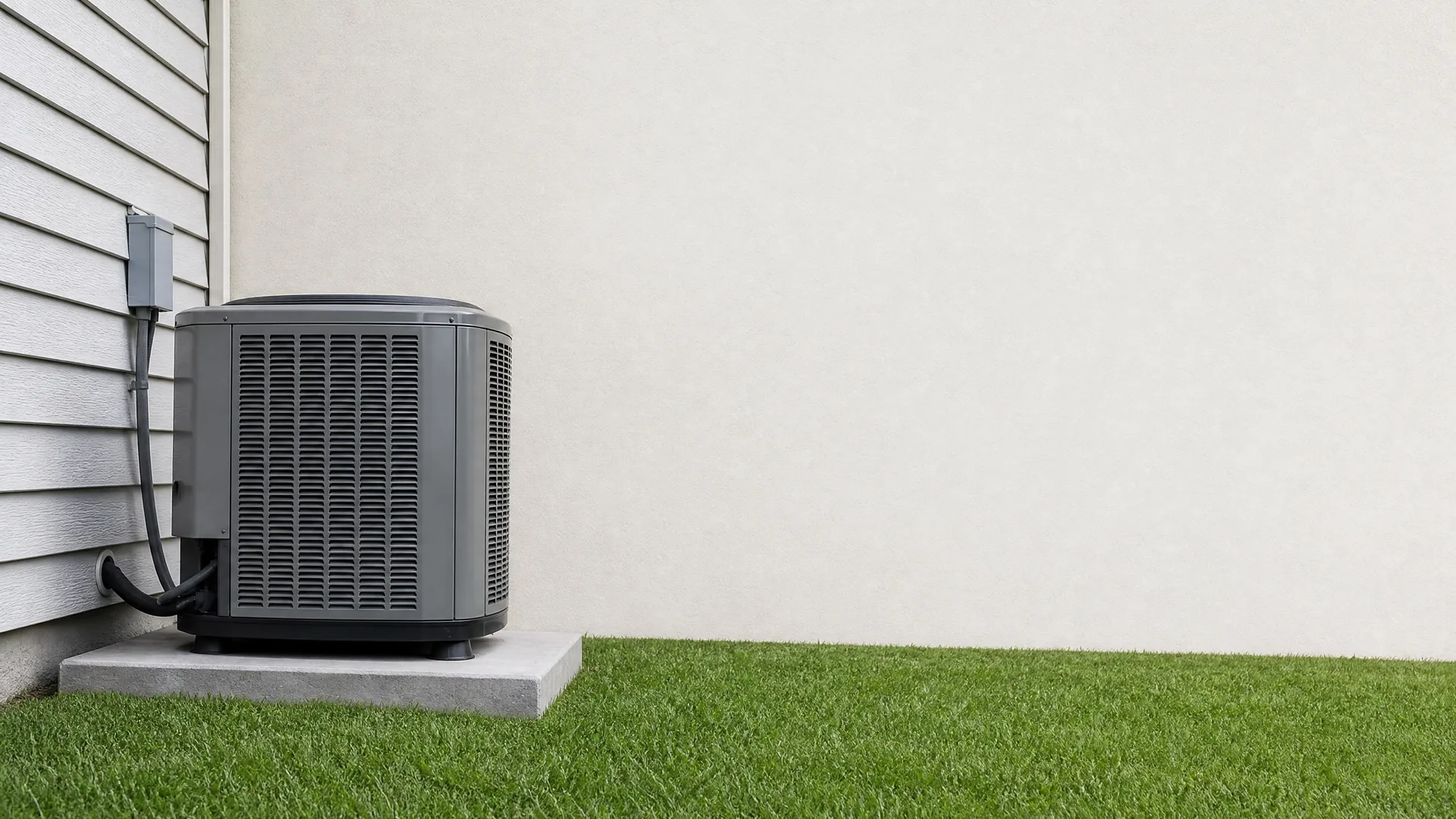
What the capacitor actually does
The capacitor stores a charge and releases it to get the compressor and fan motor moving, then keeps feeding them current while they run. Without a strong charge, the motor doesn't get the kick it needs to start turning. That's why a failing capacitor so often shows up as a hum instead of a start. The motor is getting power, just not enough of a push behind it to overcome that first moment of resistance.
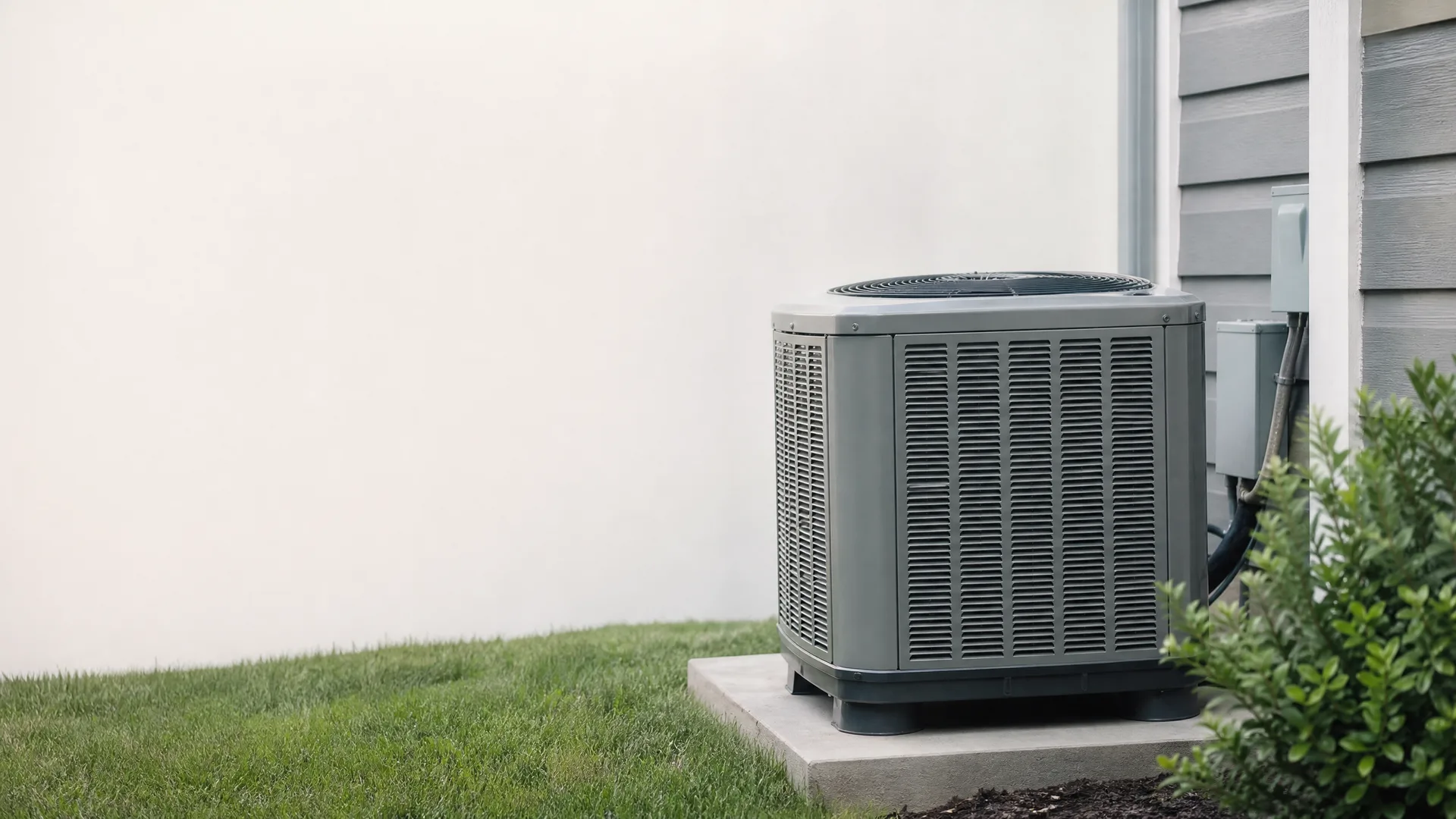
Heat shortens its life
Capacitors wear out faster the hotter the outdoor unit runs, and the unit sits outside taking on direct sun all summer. Heat dries out the internal components over years of use until the capacitor can no longer hold its full charge. A capacitor that's lost even a portion of its rated capacitance will struggle to start the compressor on the hot afternoons when your air conditioner is working hardest to keep up.
Why does my AC hum for a few seconds then click off?
That hum and click usually happens right after you've asked the system to kick on, whether that's the thermostat calling for cool or it cycling back on after a break. You hear the motor try to turn over, then it gives up. It can feel like it's about to start working, which makes it tempting to just wait it out or try again later.
The capacitor is weak and can't finish the start
The hum is the motor trying to turn without enough of a push behind it. A capacitor with a full charge gets the compressor or fan spinning in under a second. A weak one lets the motor strain against resistance, drawing current and heating up, until an internal safety switch cuts power before anything burns out. That's the click. South Dakota summers don't put the kind of constant load on a capacitor that a hotter, muggier climate would, but they still wear down with age and with the heat they do see. Letting a unit cycle like this repeatedly puts extra strain on the compressor itself, which costs a lot more to replace than a capacitor does.
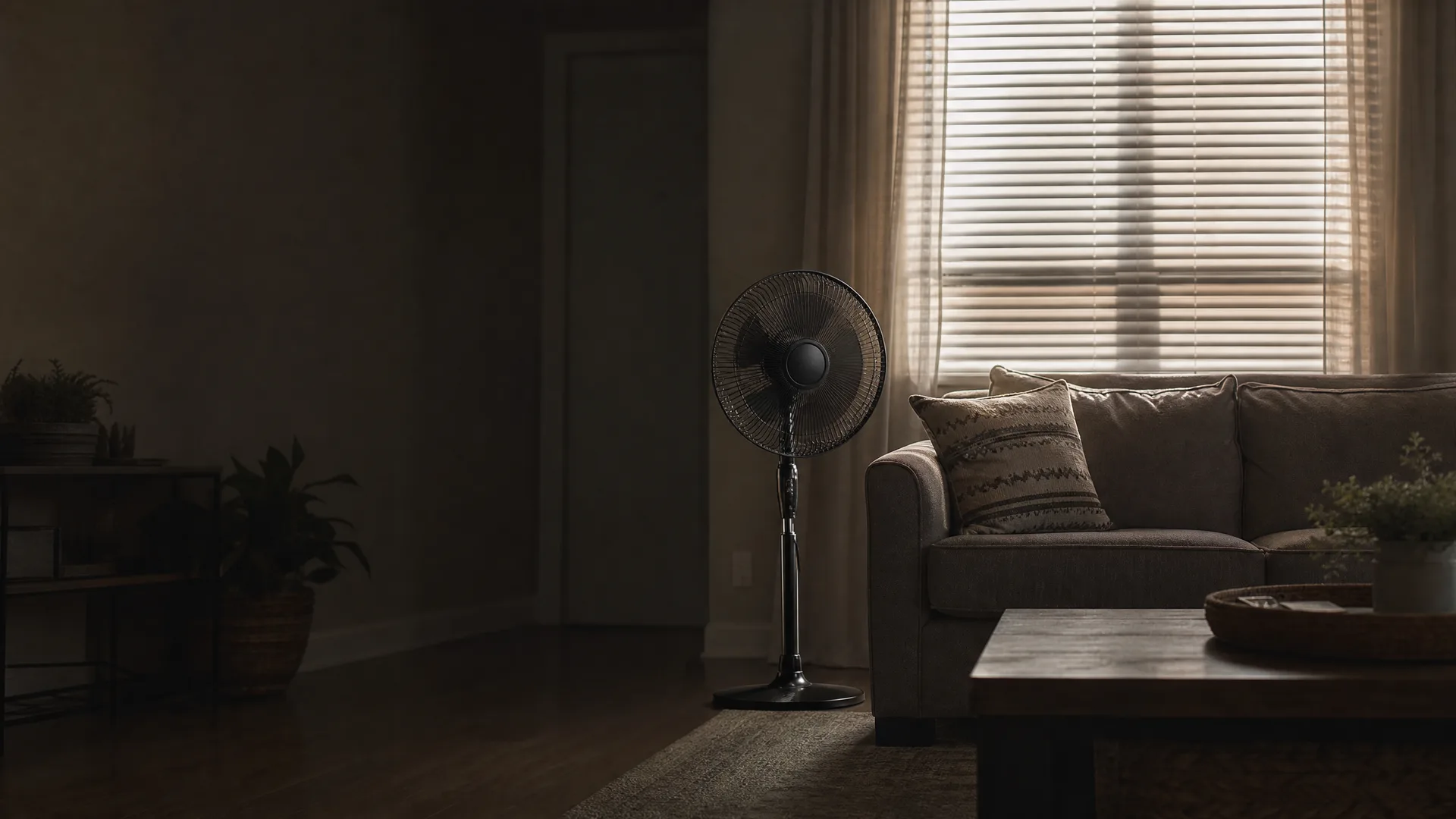
The blinds are drawn against the afternoon, but the room is still bright at the edges where the light finds a gap. It's past two and the floor fan by the couch is doing what it can, pushing the same warm air around. You've got a hand on the vent and nothing's coming out of it worth feeling. Somewhere outside the unit is making that hum again, the one that stops after a few seconds. You already turned it off and on once at the thermostat. The dog's stretched out on the cool part of the floor by the hallway, and you're thinking about whether to open a window or just wait it out until someone can come look at it.
Power costs 13.32 cents per kilowatt-hour statewide
At 13.32 cents per kilowatt-hour, power here is cheap compared to most of the country. A failing capacitor makes the compressor draw harder to start, but with rates this low that strain shows up more as a shortened lifespan on the unit than a jump on your bill.
EIA-861 2025 statewide residential average




Matched to your air conditioner job
A capacitor doesn't recover on its own. Once it's weak, the strain on the compressor only gets worse each time the unit tries to start, and a compressor that burns out costs a lot more to replace than the part that was failing. South Dakota summers don't run hot and heavy like further south, but they still push an air conditioner hard enough that a bad start is a real problem on the first ninety degree afternoon. You don't need to know whether it's the capacitor, the contactor, or something else in the outdoor unit. That's the diagnosis a licensed contractor makes once they're in front of it. What you need right now is cool air back in the house and one less thing to figure out yourself. Send the request and let someone who works on these every day take it from here.
What a Bad Capacitor Looks Like
- A capacitor that's failing makes the outdoor unit hum, click, or start and shut off within a few seconds.
- A weak capacitor forces the compressor to draw harder on startup, which shortens its life faster than it raises your bill.
- The fan inside the outdoor unit can turn slow or stop while the compressor keeps running, so you get warm air instead of cool.
- None of these symptoms fix themselves, and the strain on the compressor builds every time the unit tries to start.
- A compressor that burns out from a bad capacitor costs far more to replace than the capacitor itself.
- Catching a weak capacitor early keeps a small part failure from turning into a full system replacement.
A capacitor going bad doesn't hide. The outdoor unit hums without starting, clicks and gives up, or runs for a few seconds before it shuts off on its own. Sometimes the compressor keeps going but the fan above it slows down or stops, and that's when you feel warm air coming through the vents instead of cool. Each of these is the same part failing in a different stage. Early on the capacitor still gets the motor started most of the time, just slower than it should. As it weakens further, the compressor has to draw harder current to turn over at all, and that extra draw is what wears it out ahead of schedule. None of this reverses itself. A capacitor doesn't recharge or heal between cycles, so whatever you're hearing or feeling today will still be there tomorrow, usually worse. The real cost isn't a few cents on your power bill. It's the compressor itself, which is the most expensive part in the system and the one a struggling capacitor puts at risk every time the unit tries to start. Replacing a capacitor is a small job. Replacing a compressor, or the whole unit if the compressor seizes, is not. If your air conditioner is doing any of this, the part has already told you what it needs. The only question left is how much more you want it to run before dealing with it.


An air conditioner pro near you
A hum that won't turn into a start, or a unit that shuts off seconds after it kicks on, points to a capacitor that's done giving the compressor what it needs. Waiting on it only pushes more strain onto the compressor itself, and that's the expensive part to replace. A contractor who works on these systems can test the capacitor and swap it before the compressor takes the damage. Send the form and that search is off your plate. Someone who covers your area will reach out to go over what your unit is doing.
After this form, you can stop searching for an air conditioner pro.
Sending the form costs nothing.